
How Much Does a Portable Cooler Cool: Everything You Need to Know
Portable coolers have become an essential tool for adventure lovers, campers, hikers, and those on long road trips. Having the ability to keep food and drinks fresh and at the right temperature during the journey can make a big difference in the experience. From Inuitz, we will delve into the cooling capacity of portable coolers, their features, types, advantages, and disadvantages, as well as factors to consider when buying one. Additionally, we will show you how to maximize their efficiency and provide some useful tips for their use.
What is a portable cooler?
A portable cooler is a device designed to keep food and drinks cold in an environment without constant access to electricity. It works by using various technologies, such as compression, the Peltier effect, absorption, or simply passive insulation.
Types of portable coolers
Compression portable coolers
- How they work: Compression portable coolers work similarly to traditional compression refrigerators, but are designed to be more compact and portable, ideal for use in campsites, RVs, boats, and other mobile environments. Their operation is based on a vapor compression refrigeration cycle that involves several key components: the compressor, condenser, expansion valve, evaporator, and refrigerant. Additionally, these coolers typically run on direct current (12V or 24V) from vehicle batteries, although some can also run on alternating current (120V or 240V) via adapters.
- Advantages: High cooling efficiency, ability to freeze.
- Disadvantages: Heavier and more expensive, require constant electrical power.
Absorption portable coolers
- How they work: Absorption portable coolers work differently from compression ones, using an absorption and desorption process of refrigerants to generate cooling. This type of cooler is especially useful in environments where electricity is not available, as they can run on a variety of heat sources, such as propane gas, kerosene, or even solar energy.
- Advantages: Silent, can run on multiple power sources (gas, electricity, battery).
- Disadvantages: Less efficient than compression coolers, higher energy consumption.
Thermoelectric portable coolers (Peltier Effect)
- How they work: Thermoelectric portable coolers use the Peltier effect to generate cooling, a technology that uses electric current to transfer heat from one side of a semiconductor material to the other. This type of cooler is especially useful in mobile applications and in places where a compact and lightweight cooling solution is needed.
- Advantages: Lightweight, no moving parts, less expensive.
- Disadvantages: Lower cooling capacity, cannot freeze.
Passive or rigid portable coolers
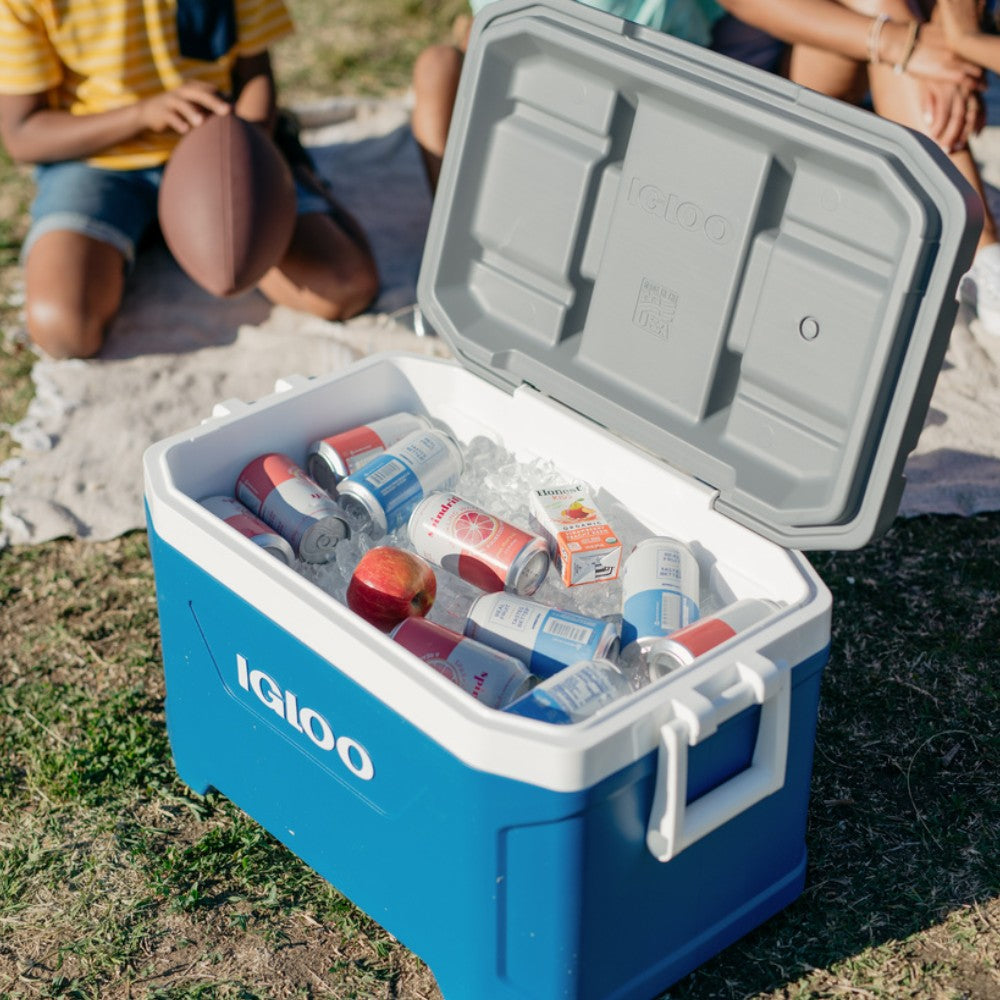
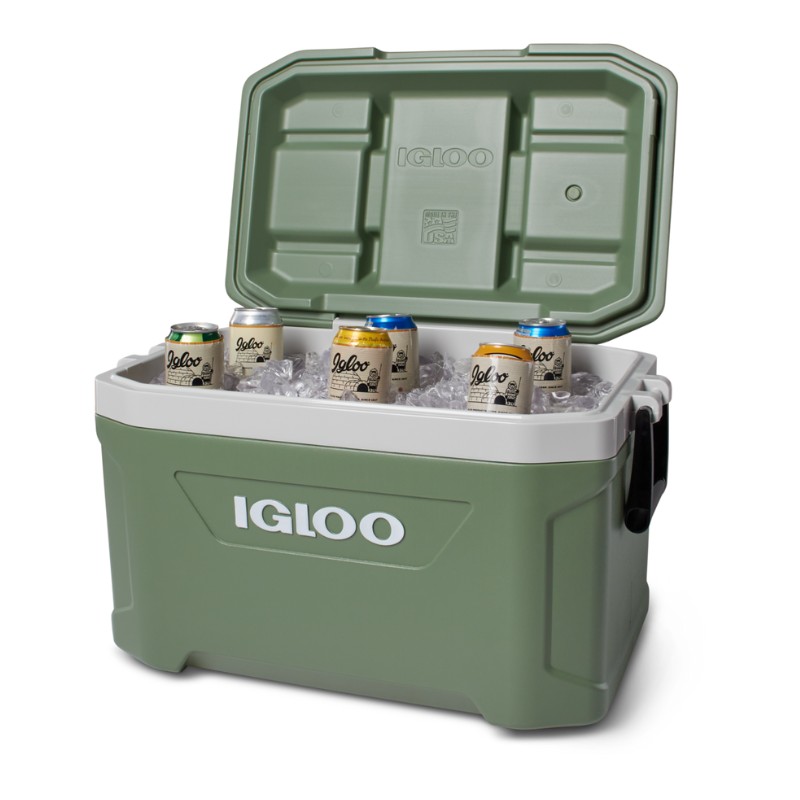
- How they work: Passive or rigid portable coolers, also known as ice chests or cool boxes, do not use electricity to keep food and drinks cold. Instead, they rely on thermal insulation and the ability of ice or refrigerant gel packs to maintain a low internal temperature for an extended period. These coolers are simple, effective, and very useful for outdoor activities such as picnics, camping, and road trips.
- Advantages: No power needed, lightweight, easy to transport.
- Disadvantages: Depend on the quality of the insulation and cold packs.
How Much Does a Portable Cooler Cool?
The cooling capacity of a portable cooler varies depending on the type of technology it uses, capacity, insulation implemented, and environmental conditions.
Cooling technology:
- Compression coolers can reach very low temperatures, even freezing the contents.
- Thermoelectric coolers typically cool down to 20-30°C below ambient temperature.
- Absorption coolers have a moderate cooling capacity, depending on the power source and external conditions.
- Passive or rigid coolers depend on the type of insulation and the quality of the cold packs used.
Capacity:
The size and capacity of the cooler affect its efficiency. A larger cooler may have more difficulty maintaining uniform temperatures.
Environmental conditions:
Outside temperature directly influences cooling capacity. The higher the ambient temperature, the more work the cooler will need to do to maintain cold.
Insulation quality:
The material and thickness of the insulation determine how much heat is transferred from the outside to the inside of the cooler.
Factors to consider when buying a portable cooler
- Power source: Determine if you need a cooler that runs on electricity, battery, gas, or if a passive one will suffice for your needs.
- Storage capacity: Evaluate how much space you need for your food and drinks.
- Portability: Consider weight and dimensions, especially if you will be carrying it on foot.
- Durability and materials: Ensure the cooler is made of robust and durable materials, especially if it will be used in outdoor environments.
- Additional features: Some coolers come with additional features such as separate compartments, interior lights, or wheels for easy transport.
Tips for maximizing portable cooler efficiency
- Pre-cool the cooler: Before use, cool the cooler at home to help maintain a low internal temperature from the start.
- Use cold packs: Place cold packs or dry ice to keep the temperature low for longer.
- Internal organization: Keep more perishable items at the bottom, where it tends to be colder.
- Minimize openings: Open the cooler as little as possible to prevent cold loss.
- Keep the cooler in the shade: Avoid direct sun exposure to reduce the workload on the cooling system.
- Fill the cooler: A full cooler maintains temperature better than an empty one, as the cold products help keep the internal environment cool.
Understanding how much a portable cooler cools and how to maximize its efficiency can significantly enhance your outdoor experience. Choosing the right type of portable cooler, based on your specific needs and usage conditions, is crucial. With the information and tips provided in this article, you will be better prepared to make an informed decision and enjoy your adventures with always fresh food and drinks.
The appropriate portable cooler can range from a light and economical thermoelectric option for a day picnic to a robust and efficient compression cooler for extended expeditions. Regardless of the option you choose, the key is to understand your needs and the characteristics of each type of portable cooler.
Enjoy your adventure with fresh food and cold drinks with Inuitz!



Leave a comment
This site is protected by hCaptcha and the hCaptcha Privacy Policy and Terms of Service apply.