

How to Quickly Set Up and Take Down Your Tent
If you are a nature lover and enjoy camping outdoors, knowing how to quickly set up and take down your tent is essential to make the most of your getaway. Imagine this: you arrive at a beautiful spot, surrounded by breathtaking landscapes, and all you want to do is relax and enjoy nature. But if you don't know how to set up your tent quickly, you might end up losing precious moments struggling with poles and stakes.
In this article, we will offer valuable tips on how to set up and take down your tent quickly and efficiently. From choosing the perfect location to set up your tent to using clever techniques to take it down, we will provide all the necessary details for a hassle-free camping experience.
Whether you are an experienced adventurer or a beginner in the world of camping, this guide will help you master the art of setting up and taking down your tent in the blink of an eye. So get your camping gear ready and prepare to enjoy some perfect days in nature.
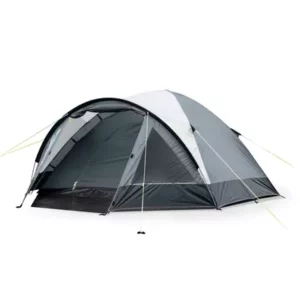
Advantages of Using a Tent for Camping
Using a tent for camping offers several advantages that significantly contribute to enhancing the experience in nature. Here are some of the main advantages:
- Portability: Tents are usually lightweight and compact, making them easy to transport during excursions. Their portable design allows campers to explore different places without feeling limited by the weight or volume of the equipment.
- Protection against elements: Tents provide shelter from the elements, such as rain, wind, intense sun, and cold temperatures. They offer an essential barrier that allows campers to enjoy nature in various weather conditions.
- Versatility in different environments: Tents are adaptable to a variety of terrains, from beaches to mountains. Their versatile design allows campers to choose the environment they wish to explore, giving them the freedom to enjoy different landscapes.
- Economy: Compared to other outdoor accommodation options, such as cabins or caravans, tents are usually more economical. This makes camping accessible to a wide range of people, promoting inclusivity in the practice of outdoor activities.

Factors to Consider When Choosing a Tent
- Size and Capacity: Evaluate how many people will be using the tent. Tents vary in size and capacity, from single tents to family models. Make sure there is enough space to sleep comfortably and store equipment.
- Season and Weather: Consider the weather conditions in which you plan to camp. Some tents are designed specifically for summer, while others are more suitable for winter. Look for features such as water resistance, ventilation, and heat retention capacity depending on the season.
- Ventilation: Good ventilation is essential to prevent condensation inside the tent. Look for tents with mesh windows, double doors, or adjustable roofs that facilitate air circulation.
Considering these factors will help you select the right tent for your outdoor adventures, ensuring a comfortable and safe experience.
Step-by-Step Guide to Setting Up a Tent Quickly and Effectively
Setting up a tent quickly and effectively is essential to make the most of your time in nature. Below is a step-by-step guide to help you set up your tent efficiently:
Step 1: Location Selection
- Look for level ground free of sharp stones.
- Avoid areas prone to flooding and select a spot with good ventilation.
- Observe the wind direction and orient the tent door accordingly.
Step 2: Material Preparation
- Organize all tent components: poles, stakes, tent fly, and rainfly.
- Make sure you have a hammer or mallet for driving the stakes and that all parts are in good condition.
Step 3: Spreading the Tent Fly
- Lay the tent fly on the ground, making sure it is fully spread out and wrinkle-free.
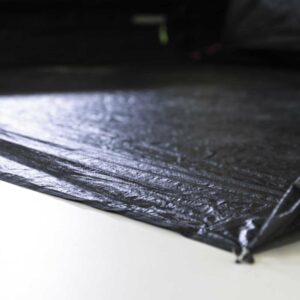
- If the tent has a footprint, ensure it is properly placed and correctly connected to the fly.
Step 4: Assembling the Poles
- Assemble the poles according to the manufacturer's instructions.
- Insert the poles into the designated channels of the tent fly, forming the main structure.
Step 5: Raising the Tent
- Gently lift the tent by raising the poles.
- Ensure the tent is well-centered over the footprint and that the corners are correctly aligned.
Step 6: Securing with Stakes
- Drive the stakes into the corners of the tent to secure the base.
- Adjust additional stakes at intermediate points, stretching the tent so it is firm and taut.
Step 7: Attaching the Rainfly (if necessary)
- If your tent includes a rainfly, fit it over the tent to protect it from the elements.
- Secure the rainfly so it fits snugly and is fastened properly.
Step 8: Final Adjustments
- Ensure the tent doors and windows are closed or open as needed.
- Adjust ventilation according to weather conditions.
- Recheck the firmness of the stakes and pole connections.
Tips for Securing Your Tent and Making It Weather-Resistant
Securing your tent and making it weather-resistant is crucial to ensure a safe and comfortable camping experience. Here are some tips to strengthen your tent and make it more resistant to the elements:
Location Selection
- Look for an elevated and well-drained spot to avoid potential flooding.
- Position the tent in a way that minimizes exposure to strong winds.
- Avoid areas with a risk of falling branches or rocks.
Using Sturdy Stakes:
- Use robust and quality stakes to secure the tent to the ground.
- Drive the stakes into the ground at an angle to provide greater resistance against the wind.
Adding Guy Ropes:
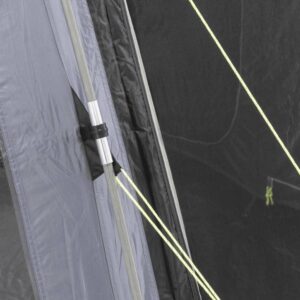
- Use additional ropes to tension the tent, especially in windy conditions.
- Ensure the ropes are well anchored and have no obstructions in their path.
Checking Seams:
- Check the tent seams for any weak points.
- If necessary, apply seam sealers to increase water resistance.
Using a Rainfly:
- Use the rainfly provided with the tent or purchase one if it's not included.
- Ensure the rainfly is correctly placed and fastened to prevent leaks.
Regular Inspection:
- Before and during your stay, conduct regular inspections to ensure the tent is in good condition.
- Repair any minor damage immediately to prevent bigger problems.
By following these tips, you can strengthen your tent and make it more resistant to adverse weather conditions, providing a safe and comfortable shelter during your camping experience.


Leave a comment
This site is protected by hCaptcha and the hCaptcha Privacy Policy and Terms of Service apply.