
Thermal bags: The ideal solution for safely and healthily transporting your food to work
Are you looking for a safe and healthy way to transport your food to work? Thermal bags are the ideal solution. These practical bags are designed with insulating materials that keep your food fresh and at the right temperature for hours. You will no longer have to worry about the quality or safety of your meals while you are at the office.
Thermal bags are perfect for transporting your food efficiently and conveniently. With their lightweight and compact design, you can easily carry your homemade meals or store-bought food without spills. Additionally, their ability to maintain the appropriate temperature is ideal for preserving freshness and preventing the growth of harmful bacteria.
With the rise of healthy lifestyles and awareness of the importance of eating well, thermal bags have become increasingly popular. Whether you follow a specific diet, avoid processed foods, or simply want to enjoy your homemade meals, a thermal bag will help you keep your food in perfect condition until lunchtime.
Don't risk the quality and safety of your food during transport to work. With a thermal bag, you will have the peace of mind knowing that your meals will stay fresh and healthy until you are ready to enjoy them.
Introduction to thermal bags
Are you looking for a safe and healthy way to transport your food to work? Thermal bags are the ideal solution. These convenient bags are designed with insulating materials that keep your food fresh and at the right temperature for hours. You will no longer have to worry about the quality or safety of your food while you are at the office.
Thermal bags are perfect for transporting your food efficiently and conveniently. With their lightweight and compact design, you can easily carry your homemade meals or store-bought food without spills. Additionally, their ability to maintain the appropriate temperature is ideal for preserving freshness and preventing the growth of harmful bacteria.
With the rise of healthy lifestyles and awareness of the importance of eating well, thermal bags have become increasingly popular. Whether you follow a specific diet, avoid processed foods, or simply want to enjoy your homemade meals, a thermal bag will help you keep your food fresh until lunchtime.
Don't risk the quality and safety of your food during transport to work. With a thermal bag, you will have the peace of mind knowing that your meals will stay fresh and healthy until you are ready to enjoy them.
Advantages of using thermal bags for food transport
Thermal bags offer a number of advantages when it comes to safely and healthily transporting food. Here are some of the main advantages of using these bags:
1. Maintain the appropriate temperature: Thermal bags are designed with insulating materials that help maintain the temperature of your food. This is especially important when it comes to perishable foods that need to be kept refrigerated or warm to prevent the proliferation of bacteria.
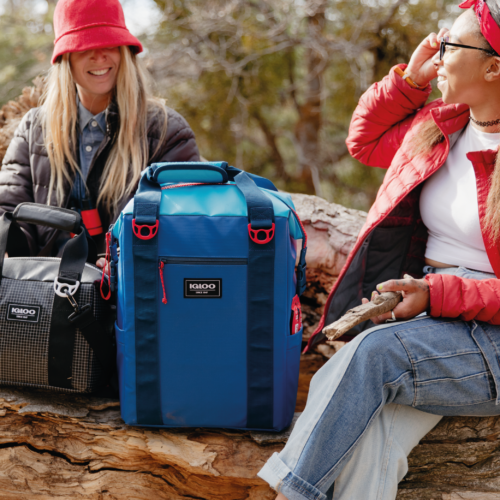
2. Prevent spills: Thermal bags are designed with airtight closures that prevent spills and leaks of liquids. This is especially useful when transporting liquids or sauces that could ruin other parts of your meal or your belongings.
3. Easy to transport: Thermal bags are usually lightweight and come in compact designs that make them easy to carry. You can comfortably carry them in your purse, backpack, or even in your hand without taking up too much space.
4. Reusable and environmentally friendly: Unlike disposable plastic bags, thermal bags are usually reusable and durable. This not only saves you money in the long run but also helps reduce environmental impact by avoiding the use of single-use plastics.
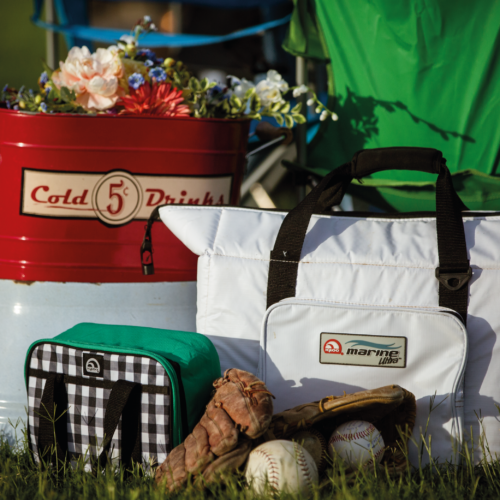
These are just some of the most notable advantages of using thermal bags to transport your food. As we progress in this article, we will further explore the different types of thermal bags available on the market and the features you should consider when choosing one.
Types of thermal bags available on the market
When it comes to thermal bags, there is a wide variety of options available on the market. Each type of thermal bag has its own unique characteristics and adapts to different needs and preferences. Here are some of the most common types of thermal bags:
1. Soft thermal bags: These bags are made of flexible and soft materials, such as nylon or polyester, which allow them to adapt to different shapes and sizes of food. They are lightweight and easy to transport, but may offer less insulation than other types of thermal bags.
2. Rigid thermal bags: These bags are made of more rigid materials, such as hard plastic or metal, which offer greater protection and insulation for your food. They are ideal for transporting delicate or fragile foods that could be easily damaged.
3. Backpack-style thermal bags: These bags feature adjustable straps that allow you to comfortably carry them on your back, leaving your hands free for other items. They are ideal for those who need to carry a large amount of food or who prefer a more practical and comfortable option.
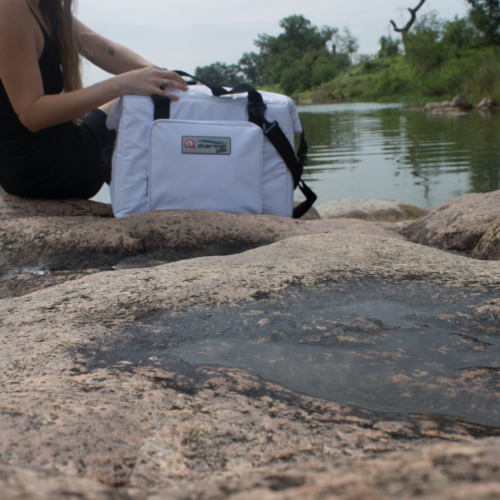
4. Thermal bags with compartments: These bags are designed with separate compartments that allow you to organize and separate different types of food. They are ideal for those who want to keep their food separate and organized during transport.
These are just some examples of the types of thermal bags available on the market. Each type has its own advantages and disadvantages, so it is important to consider your needs and preferences before making a decision.
Features to consider when choosing a thermal bag
There are different types of thermal bags available on the market, each with unique features that adapt to different needs. One of the most popular options are thermal bags with foam insulation. These bags are designed with layers of foam that act as thermal barriers, keeping the internal temperature stable and preventing external heat or cold from affecting your food.
Another option is thermal bags with hot or cold gel. These bags contain a special gel that can be heated or cooled as needed. They are ideal for those who need to keep their food hot for long periods of time or for those who want to keep their meals fresh throughout the day.
How to properly pack food in a thermal bag
When choosing a thermal bag, it is important to consider some key features to ensure it meets your needs. One of the most important features is the size of the bag. Make sure it is large enough to accommodate your food containers without crushing them. It is also important to consider the durability of the bag and ease of cleaning.
Another feature to consider is the insulation capacity of the bag. Look for thermal bags with good insulation that can maintain the internal temperature for several hours. You can also consider bags with additional compartments for carrying cutlery, napkins, or other necessary utensils.
Tips for maintaining the temperature and freshness of your food during transport
Properly packing food in a thermal bag is key to maintaining its freshness and safety during transport. Make sure food is completely cooled or heated before placing it in the bag. Use airtight containers to prevent leaks and spills.
If you are transporting hot food, consider wrapping it in aluminum foil or using additional insulated containers to maintain the temperature. For cold food, you can use ice packs or cooling gel to keep it fresh longer.
Health benefits of using thermal bags for food storage and transport
In addition to properly packing your food, there are some extra tips you can follow to ensure it stays fresh and at the right temperature during transport. Once you have placed the food in the thermal bag, make sure to close it properly to prevent hot or cold air from penetrating the bag.
If possible, transport the thermal bag in an additional bag or backpack to protect it from direct exposure to sun or extreme cold. Avoid opening the thermal bag unnecessarily, as each time you open it, some insulation is lost and the internal temperature can be affected.
Cleaning and maintenance of thermal bags
Using thermal bags for food storage and transport is not only convenient, but also offers health benefits. By keeping your food at the right temperature, you prevent the proliferation of harmful bacteria that can cause foodborne illnesses.
Furthermore, by bringing your own homemade meals in a thermal bag, you have greater control over the ingredients and quality of the food you consume. You can choose healthier options, avoid processed foods, and adapt your meals to your specific dietary needs.
Best practices for using thermal bags for work meals
To ensure the safety and durability of your thermal bag, it is important to keep it clean and in good condition. Before cleaning it, make sure to empty and dispose of any food residue. Then, you can clean the bag with warm water and mild soap. Avoid using harsh chemicals that could damage the insulating materials.
After cleaning, make sure to completely dry the bag before storing it. This will help prevent mold or bad odors from forming. If possible, store the bag in a cool, dry place when not in use.
Conclusion: Why thermal bags are the ideal solution for safely and healthily transporting your food to work
When it comes to using thermal bags for work meals, there are some best practices you can follow to ensure you get the best results. Always plan your weekly menu in advance and prepare your meals at home. This will allow you to save time and money, and also ensure you have healthy and nutritious meals available at work.
Additionally, consider using reusable food containers instead of plastic or paper bags. This will help reduce your carbon footprint and contribute to a cleaner and greener work environment.


Leave a comment
This site is protected by hCaptcha and the hCaptcha Privacy Policy and Terms of Service apply.