
How to cool a portable cooler quickly: A complete guide
Portable coolers are a godsend for those who enjoy outdoor adventures, whether camping in the wilderness or having a fun day at the beach. However, one of the most common concerns is how to keep food and drinks fresh for longer, especially when far from an electrical power source to keep the cooler cold.
Fortunately, there are several strategies and techniques that can help you cool your portable cooler quickly and keep it that way for longer. In this complete guide, we will explore different effective methods to efficiently cool your portable cooler and ensure your food and drinks stay fresh throughout your adventure.
- Prior preparation:
Before loading your portable cooler with food and drinks, it's important to pay attention to some preliminary steps that can help improve its cooling performance. One of the key aspects is to pre-cool the cooler before use. This can be achieved by simply placing the cooler in a cool place for a few hours before packing it.
You can also chill the internal elements of the cooler, such as cooling plates or ice packs, in the freezer overnight to ensure they are as cold as possible before use.
- Use ice or cooling elements:
Ice is one of the most effective methods for quickly cooling a portable cooler. You can fill the cooler with ice cubes or ice bags to quickly reduce the internal temperature. In addition to ice, there are other cooling elements specifically designed for portable coolers, such as reusable cooling plates or gel refrigerant packs.
These elements can maintain a low temperature for longer and are an excellent option if you need to keep food fresh for extended periods without access to a fresh ice source.
- Efficient organization:
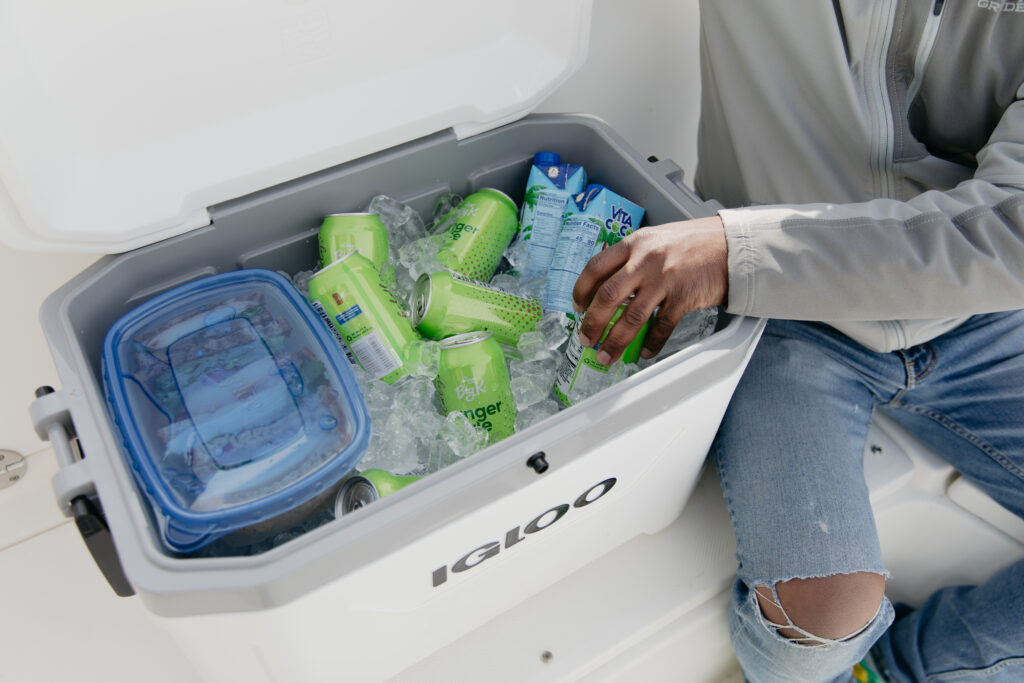
The way you organize food and drinks inside the portable cooler can also influence its ability to cool down quickly and stay fresh. It's important to leave enough space between items to allow cold air to circulate evenly.
Place the most perishable foods and drinks at the bottom of the cooler, where the temperature tends to be colder, while less perishable items can be placed at the top. Also, avoid opening the cooler too frequently, as each time it is opened, some cold air is lost, and cooling efficiency is reduced.
- Additional insulation:
Proper insulation can make a big difference in a portable cooler's ability to maintain a low internal temperature for longer. Some portable coolers come with built-in thermal insulation, but if your cooler doesn't have it, you can add additional insulation using thermal blankets, foam pads, or even rolled-up newspapers around the cooler.
This will help reduce heat transfer from the outside to the inside of the cooler, which in turn will keep food and drinks fresher for longer.
- Avoid sun exposure:
Direct sun exposure can quickly increase the internal temperature of a portable cooler, making it difficult to keep food fresh. Therefore, it is important to keep the cooler in a shaded place whenever possible.
If you are on the beach or in an unshaded area, consider using an umbrella or tarp to protect the cooler from direct sunlight. Also, avoid leaving the cooler inside a parked vehicle in the sun, as internal temperatures can reach dangerous levels in a short time.
Cooling a portable cooler quickly and keeping it that way for longer is crucial to ensure the freshness and safety of your food and drinks while traveling.
With the right combination of prior preparation, cooling elements, efficient organization, additional insulation, and avoiding sun exposure, you can maximize your portable cooler's cooling efficiency and enjoy fresh food and drinks on your outdoor adventures.
Get ready with Inuitz to explore the world with a perfectly chilled cooler by your side!


Leave a comment
This site is protected by hCaptcha and the hCaptcha Privacy Policy and Terms of Service apply.