
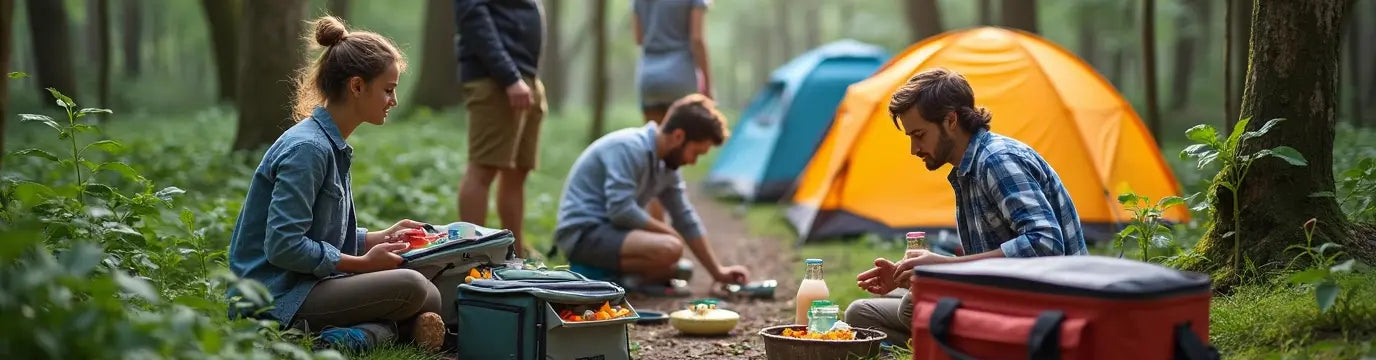
If you're a nature lover who enjoys the thrill of spending time outdoors, organizing a wilderness camping trip can be an unforgettable experience. Whether you go with friends, family, or even alone, camping allows you to disconnect from daily life and connect with the natural beauty around us.
In this article, we'll provide some useful tips for organizing a memorable wilderness camping trip. You'll discover how to choose the perfect spot, what gear to bring, how to prepare delicious outdoor meals, and how to stay safe during your wilderness adventure.
From choosing a destination that suits your preferences to knowing the essentials to pack in your backpack, you'll learn everything you need to enjoy a successful and hassle-free camping experience.
It doesn't matter if you're a camping enthusiast or an expert; these tips will help you make the most of your time in nature and create unforgettable memories. So get ready to explore, connect with nature, and enjoy a wilderness camping trip like never before.
Why Camp in Nature?
Wilderness camping offers a range of benefits that make it an attractive option for those seeking a unique outdoor experience. Here are some reasons why you should consider camping in nature:
1. Connection with nature: Camping gives you the opportunity to immerse yourself in the natural beauty that surrounds us. From waking up to the sound of birdsong to enjoying breathtaking panoramic views, camping allows you to connect with nature in an intimate and meaningful way.
2. Disconnection from daily life: Camping gives you the opportunity to disconnect from the distractions and stress of everyday life. Without mobile phones, televisions, or computers, you can enjoy a moment of tranquility and peace, allowing you to recharge and rejuvenate your mind.
3. Adventure and excitement: Wilderness camping is an adventure in itself. From exploring unknown trails to building campfires and telling stories around the fire, camping offers you the opportunity to experience emotions and live unforgettable moments.
4. Health and well-being: Spending time outdoors has numerous health benefits. Fresh air, sunlight, and the physical activity associated with camping can improve your mood, strengthen your immune system, and help you sleep better.
Essential Camping Gear and Equipment
When organizing a wilderness camping trip, it's important to have the right gear and equipment. Here is a list of some essential items you should consider bringing with you:
1. Tent: Choose a good quality tent that is water-resistant and easy to set up. Make sure it is large enough to accommodate everyone who will be camping with you. At INUITZ, we have tents for 2, 3, and 4 people, of exceptional quality that will allow you to enjoy your camping trip.
2. Sleeping bags: Choose comfortable sleeping bags suitable for the temperatures you will encounter during your trip. Make sure they are warm enough to keep you cozy at night. At INUITZ, you can buy generously sized sleeping bags where you can rest.
3. Sleeping pads or insulated mats: These will provide an extra layer of comfort and insulation while you sleep. You can opt for inflatable pads or thermal mats, depending on your preferences and needs.
4. Cooking utensils: Bring a pot, pan, plates, cutlery, and other basic cooking utensils. It's also useful to bring a portable grill if you plan to barbecue during your camping trip. From INUITZ, we offer a complete cooking set for 2 people where you won't need to buy anything else.

5. Flashlight or headlamp: These will be useful for lighting your campsite at night. Make sure to bring spare batteries and/or charge your devices before heading out.
6. First aid kit: It's important to carry a complete first aid kit that includes bandages, disinfectants, painkillers, and other basic medical supplies.
7. Appropriate clothing and footwear: Bring comfortable clothing suitable for the weather you will encounter during your camping trip. Don't forget to include extra layers to protect yourself from the cold and rain.
These are just a few examples of the essential items you should consider bringing with you during your wilderness camping trip. Be sure to make a list and check it before packing so you don't forget anything important.
Choosing the Perfect Camping Spot
Choosing the right place to camp is crucial for a pleasant and safe experience. Here are some factors to consider when choosing a campsite:
1. Accessibility: Choose a location that is easily accessible by car or on foot, depending on your preferences and needs. If you plan to bring a lot of gear, make sure there is nearby parking to unload your belongings.
2. Amenities: If you prefer to have access to basic amenities like restrooms and showers, consider camping at a campsite with suitable facilities. However, if you are looking for a more primitive and isolated experience, you can opt to camp in remote areas without amenities.
3. Scenery and environment: Choose a location that offers beautiful natural landscapes and suits your preferences. You can choose to camp near a lake, river, mountain, or forest, depending on what you like to explore.
4. Rules and regulations: Find out the rules and regulations of the area where you plan to camp. Some places may have restrictions on group size, dogs, or permitted activities.
5. Weather conditions: Research the weather at the location where you plan to camp. Make sure you are prepared for any weather conditions you may encounter, whether it's extreme heat, rain, or cold.
Remember that everyone has different preferences and needs, so it's important to choose a campsite that aligns with your own expectations. Research different options, read reviews, and talk to other people who have camped in the area to gather more information and make an informed decision.
Setting Up Camp
Once you've chosen the perfect camping spot, it's time to set up your camp. Here are some basic steps to get your camp set up:
1. Find a flat and level area: Look for a flat and level area where you can pitch your tent. Avoid low-lying areas that could flood in case of rain.
2. Clear the area: Remove any rocks, sticks, or debris that may be in the area where you plan to set up your camp. This will help you avoid discomfort and potential injuries.
3. Pitch your tent: Follow your tent's setup instructions and make sure to secure the stakes well to prevent it from blowing away in the wind. Make sure the tent is well-secured and that there are no holes or tears in the fabric.
4. Organize your space: Organize the inside of your tent in a way that is comfortable and practical. Place your sleeping bag, pad, and other essential items in an easily accessible location.
5. Set up the cooking area: If you plan to cook during your camping trip, set up a cooking area separate from your tent. Make sure you have enough space to prepare your meals and that the area is away from any flammable materials.
6. Create a lounging area: Set up a comfortable lounging area with folding chairs, tables, and a tarp or canopy to protect yourself from the sun or rain.
Remember that each tent and piece of equipment may have specific assembly instructions, so be sure to read and follow the instructions provided by the manufacturer. Additionally, it's always helpful to practice pitching your tent before you leave for your trip to ensure you're familiar with the process.
Campfire Cooking and Meal Planning
One of the most exciting parts of wilderness camping is cooking outdoors and enjoying delicious meals around the campfire. Here are some tips for outdoor cooking and planning your camping meals:
1. Plan your meals in advance: Before you leave, plan your meals and make a list of the ingredients you'll need. Consider preparation time and the type of food you can cook outdoors.
2. Opt for simple meals: While camping, it's best to opt for simple and easy-to-prepare meals. You can make sandwiches, salads, grilled burgers, chicken fajitas, among other simple and tasty dishes.
3. Bring appropriate cooking utensils: Make sure to bring appropriate cooking utensils for outdoor cooking. A portable grill, a pot, and a pan are basic items that will be useful for preparing your meals.
4. Use appropriate fuel: Choose the right fuel for your outdoor cooking. You can opt for firewood, charcoal, or gas, depending on your preferences and the regulations of the area you are in.
5. Organize your cooking area: Set up a cooking area separate from your tent and make sure you have everything you need on hand. Bring non-perishable food, condiments, cooking utensils, and containers to store leftover food.
6. Enjoy the campfire: The campfire is one of the most emblematic aspects of camping. Make sure to follow the regulations of the area you are in and keep the campfire under control at all times. Use dry firewood and avoid burning plastics or non-combustible materials.
Remember that outdoor cooking can present additional challenges compared to cooking at home. Make sure you are prepared and have a backup plan in case weather conditions do not allow you to cook outdoors. Additionally, it is always important to follow safety guidelines and the regulations of the area you are in.
Fun Camping Activities and Games
In addition to enjoying nature and relaxing at the campsite, wilderness camping also offers the opportunity to participate in fun activities and games. Here are some ideas to keep everyone in your group entertained:
1. Hiking and exploration: Take the opportunity to hike and explore the nature around you. Research nearby hiking trails and plan exciting excursions.
2. Birdwatching: If you enjoy birdwatching, bring a bird guide and binoculars. You can spend hours enjoying the diversity of birds found in nature.
3. Outdoor games: Bring a ball, frisbee, badminton rackets, or other outdoor games to enjoy at the campsite. These games are fun and help keep everyone active.
4. Campfire nights: Organize campfire nights with ghost stories, songs, or simply enjoying the company of your loved ones around the fire. Remember to bring marshmallows and sticks to make delicious s'mores.
5. Nature photography: If you're a photography enthusiast, take advantage of the natural beauty around you to capture stunning images.
Wilderness Camping Safety Tips
Responsible camping involves minimizing our impact on the environment and leaving the places we visit in the same condition we found them. The "Leave No Trace" principles are a useful guide for responsible camping and protecting the natural beauty of wilderness environments.


Leave a comment
This site is protected by hCaptcha and the hCaptcha Privacy Policy and Terms of Service apply.