
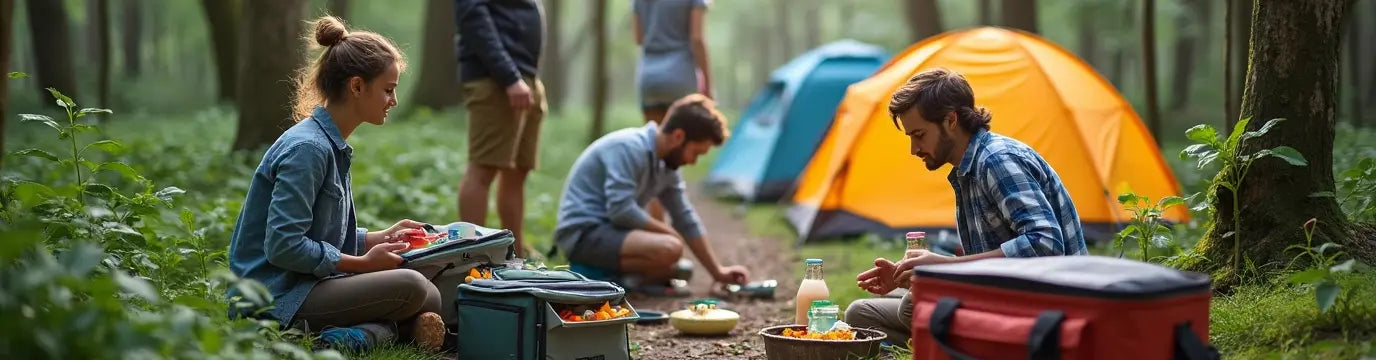
Conscious Camping: How to Enjoy the Outdoors Without a Trace
Camping is one of the best ways to reconnect with nature, but it comes with a great responsibility: protecting the environment we enjoy. Adopting sustainable practices not only reduces our impact but also ensures that more people can enjoy these unique places in the future. Here’s how to practice conscious, zero-waste camping.
What is conscious camping?
Conscious or sustainable camping means enjoying nature respectfully, minimizing our environmental footprint as much as possible. This includes:
- Adopting zero-waste practices: Using reusable containers, avoiding single-use plastics, and carrying a bag for trash.
- Choosing eco-friendly products: Reusable backpacks, coolers, thermoses, and utensils that facilitate responsible consumption.
- Preserving biodiversity: Not altering the ecosystem or harming local flora and fauna.
Fun fact: According to Leave No Trace, poorly managed human waste is one of the leading causes of pollution in camping areas.
Practical tips for sustainable camping
1. Responsible Planning
Before you go, research your destination and its regulations. Some protected areas have specific restrictions to minimize environmental impact.
- Choose designated campsites to avoid damaging pristine areas.
- Plan your meals to avoid waste and calculate the necessary portions.
2. Eco-Friendly Equipment
Choose products that reduce your environmental footprint and are functional:
- Food Containers: Keep your food at the desired temperature and maintain freshness so you always enjoy your favorite snacks.
- Portable Cooler: Ideal for keeping food fresh during the day while reducing the use of disposable packaging.
- Reusable Utensils: Stainless steel cutlery sets to avoid plastics.
Inuitz Tip: Opting for portable coolers like those in our store not only allows you to transport your food practically but also helps reduce the use of single-use plastics.
3. Did you know that campers generate tons of waste every year? Here are some tips to reduce your impact:
- Use reusable bags: To store food, waste, and separate recyclables.
- Avoid plastic: Carry glass or silicone containers for transporting food.
- Minimize food waste: Cook only what is necessary and store leftovers in your cooler bag to enjoy the next day.
- Compost: Composting is a biological process that converts organic waste, such as food scraps and leaves, into a natural fertilizer called compost. Through the action of microorganisms, organic matter decomposes in a controlled environment, generating heat that eliminates pathogens and unwanted seeds. The resulting compost enriches the soil, promotes plant growth, and helps reduce waste in landfills.
4. Respect for the natural environment
- Leave nothing behind: Collect absolutely everything you bring with you, from visible trash to remnants like fruit peels or ashes.
- Care for the soil and flora: Set up your camp in designated areas and avoid digging holes or pulling up plants.
- Reduce fire use: Opt for portable stoves instead of campfires to protect the surrounding vegetation.
Ideas for Conscious and Fun Camping
Sustainable camping doesn't have to be boring; on the contrary, it can be an enriching experience.
- Creative cooking: Prepare simple but delicious dishes like wraps or fresh salads that you can store.
- Responsible exploration: Hike along marked trails and respect restricted areas.
- Group dynamics: Organize activities like outdoor yoga, stargazing, or workshops to collect trash in the environment.
- Eco-friendly group games: Organize activities like "Natural Treasure Hunt," where participants find elements like specific leaves or animal tracks (without altering the environment).
- Creating art with natural elements: Design figures with stones, branches, or fallen leaves. This is a creative activity that promotes the appreciation of natural materials and can be easily undone without a trace.
- Building improvised shelters: Use fallen branches and leaves to create small shelters or shaded areas. This activity, especially for children, combines creativity and teamwork, while teaching respect for natural resources.
Benefits of Conscious Camping
Adopting responsible practices not only benefits the environment but also enhances your experience:
- Authentic connection with nature: You'll enjoy it more knowing you're preserving the environment.
- Reduced expenses: Reusable products and prior planning are often more economical in the long run.
- Inspire others: Your actions can motivate more people to follow this sustainable lifestyle.
Enjoy the outdoors responsibly
Conscious camping not only protects the natural environment but also enriches your experience, allowing you to fully enjoy nature. With small changes, like choosing sustainable products and minimizing waste, you can make a big difference.
Ready for a responsible adventure? Explore our products and become a true guardian of nature.



Leave a comment
This site is protected by hCaptcha and the hCaptcha Privacy Policy and Terms of Service apply.