
Complete guide to cooler materials: Everything you need to know
Coolers are essential devices for keeping food and drinks cold while away from home, whether on a picnic, a hike, or a long trip. The effectiveness and durability of a cooler largely depend on the materials it is built with.
From Inuitz, we will show you in depth the different materials used in the manufacturing of portable coolers and how each of them contributes to their functionality and efficiency.
What is a cooler?
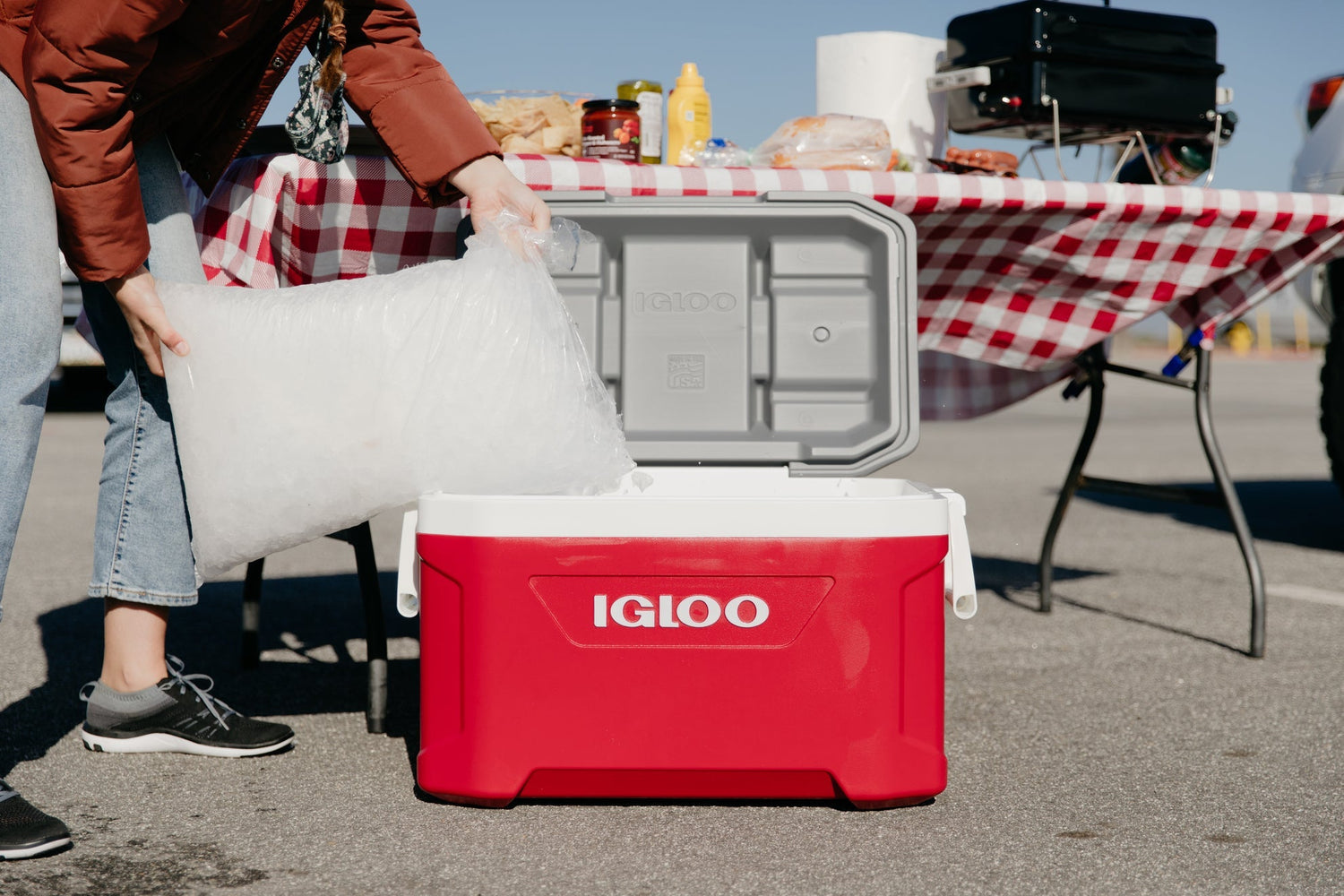
A cooler is an insulated container that keeps products cold for an extended period. Its main function is to maintain the internal temperature, protecting food and drinks from external heat. These coolers are popular among outdoor enthusiasts, campers, fishermen, and anyone who needs a mobile cooling solution.
Importance of materials in a cooler
The materials used in the construction of a cooler determine its insulating capacity, durability, weight, and resistance to the elements. An appropriate selection of materials can mean the difference between a cooler that keeps ice for days and one that only does so for a few hours.
Common materials used in coolers
Plastics
Plastics are one of the most common materials in cooler manufacturing due to their lightness, durability, and versatility.
- Polypropylene (PP)
Polypropylene is a plastic resistant to impact, wear, and chemical corrosion. It is widely used in the outer and inner walls of coolers due to its ability to withstand extreme temperatures and its easy moldability.
- Advantages: Lightweight, resistant to chemicals and temperatures.
- Disadvantages: Can crack over time under constant stress.
- High-Density Polyethylene (HDPE)
High-density polyethylene is known for its high impact resistance and impermeability. It is frequently used in the outer layer of coolers to provide a durable barrier against the elements.
- Advantages: Resistant, waterproof, recyclable.
- Disadvantages: Less flexible than other plastics.
Foam insulation
Insulation is crucial for a cooler's efficiency. Foam materials are the most commonly used due to their excellent thermal insulation capacity.
- Polyurethane foam
Polyurethane foam is an efficient insulation material, known for its low thermal conductivity and its ability to keep things cold for long periods.
- Advantages: Excellent insulation, lightweight, durable.
- Disadvantages: Can degrade over time if exposed to UV light.
- Expanded Polystyrene Foam (EPS)
Expanded polystyrene is another common insulating material. It is economical and offers a good barrier against heat transfer.
- Advantages: Economical, good insulator.
- Disadvantages: Less durable than polyurethane foam, can be susceptible to compression.
Metals
Some cooler components may be made of metal to provide additional strength and durability.
- Stainless steel
Stainless steel is often used in hinges, handles, and other components that require greater mechanical strength. It is corrosion-resistant and easy to clean.
- Advantages: Durable, corrosion-resistant, hygienic.
- Disadvantages: Heavy, more expensive.
- Aluminum
Aluminum is used in components that require a high strength-to-weight ratio. It is corrosion-resistant and lightweight, but less robust than stainless steel.
- Advantages: Lightweight, corrosion-resistant.
- Disadvantages: Less resistant than steel, can deform under heavy loads.
Cooler design and construction
Double-wall structure
Many coolers are designed with a double-wall structure. This design includes an intermediate space that can be filled with insulating material, such as polyurethane foam, to improve cold retention.
- Gaskets and seals
The gaskets and seals of a cooler are crucial for preventing hot air from entering and cold air from escaping. Rubber seals and silicone gaskets are common materials used in these areas due to their elasticity and durability.
- Handles and hinges
Cooler handles and hinges must be robust to support the weight of the contents and frequent use. The most common materials for these components are stainless steel and reinforced plastic.
- Wheels
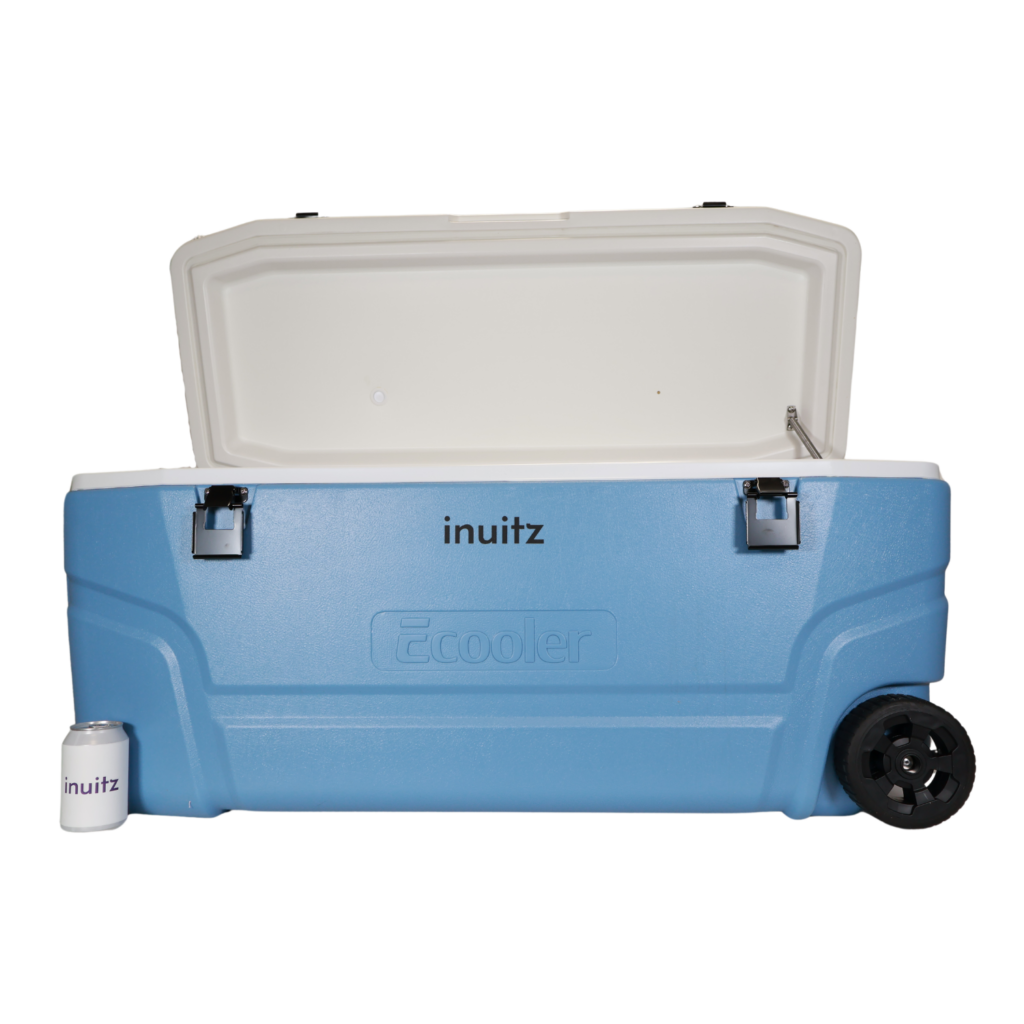
Some coolers are equipped with wheels to facilitate transport. The wheels are usually made of hard plastic or durable rubber to withstand varied terrain.
Innovations in cooler materials
- Eco-friendly materials
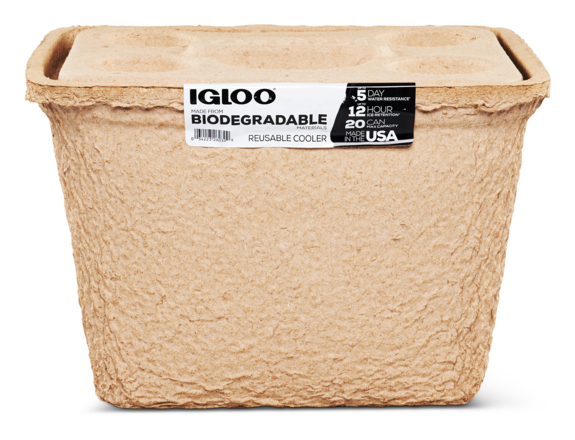
With growing environmental awareness, some manufacturers are exploring eco-friendly and sustainable materials for their coolers. This includes recycled plastics, biodegradable foams, and plant-based materials.
- Nanotechnology in insulation
Nanotechnology is emerging as an innovative tool in the https://old.inuitz.com/wp-content/uploads/2024/05/botella-reutilizable-500×333-1-1.jpg of high-efficiency insulation materials. Nanoparticles can improve the thermal properties of materials, offering better performance in less space.
- Reflective materials
The use of reflective materials in the outer layer of coolers can help to reflect solar radiation, thereby reducing heat absorption and improving cooling efficiency.
Maintenance and care of materials
- Cleaning
Keeping the cooler clean is crucial for its longevity and functionality. Plastic and metal materials should be cleaned regularly with mild solutions to prevent the accumulation of residue and bacteria.
- Storage
Proper storage of the cooler is also important. It should be stored in a cool, dry place, away from direct sunlight to prevent the degradation of plastic materials and foams.
- Repair
Over time, components such as hinges, seals, and handles may need repair or replacement. It is important to use replacement parts of the same material and quality to maintain the cooler's integrity.
Factors to consider when buying a cooler
- Capacity: The capacity of the cooler is a crucial factor to consider. Depending on the intended use, it may be necessary to choose a larger or more compact cooler.
- Weight: The weight of the cooler, both empty and full, is important for portability. Lightweight materials like polyethylene and polypropylene are preferable to reduce the load.
- Durability: The durability of the materials used in the cooler will determine its lifespan. It is important to consider the quality of the plastics and metals used.
- Cooling efficiency: Cooling efficiency largely depends on the type and quality of insulation used. Polyurethane foam generally offers the best cold retention.
- Price: Price can vary significantly depending on the materials and brand. It is essential to balance the budget with needs and performance expectations.
The materials of a cooler are fundamental to its performance and durability. From the plastics and foams used for insulation to the metals employed in structural components, each material plays a crucial role in the device's functionality.
By considering factors such as capacity, weight, durability, and cooling efficiency, you can find the perfect cooler that meets individual needs. With advancements in technology and material innovation, the future of coolers promises to be even more efficient and sustainable.
When choosing a cooler, it is important to research and compare different options available to ensure you are making an informed and lasting investment.
From Inuitz, we hope this guide has provided you with a comprehensive understanding of the materials used in coolers and helps you make the best decision for your on-the-go cooling needs!


Leave a comment
This site is protected by hCaptcha and the hCaptcha Privacy Policy and Terms of Service apply.