
Hiking for Beginners: Everything You Need to Know
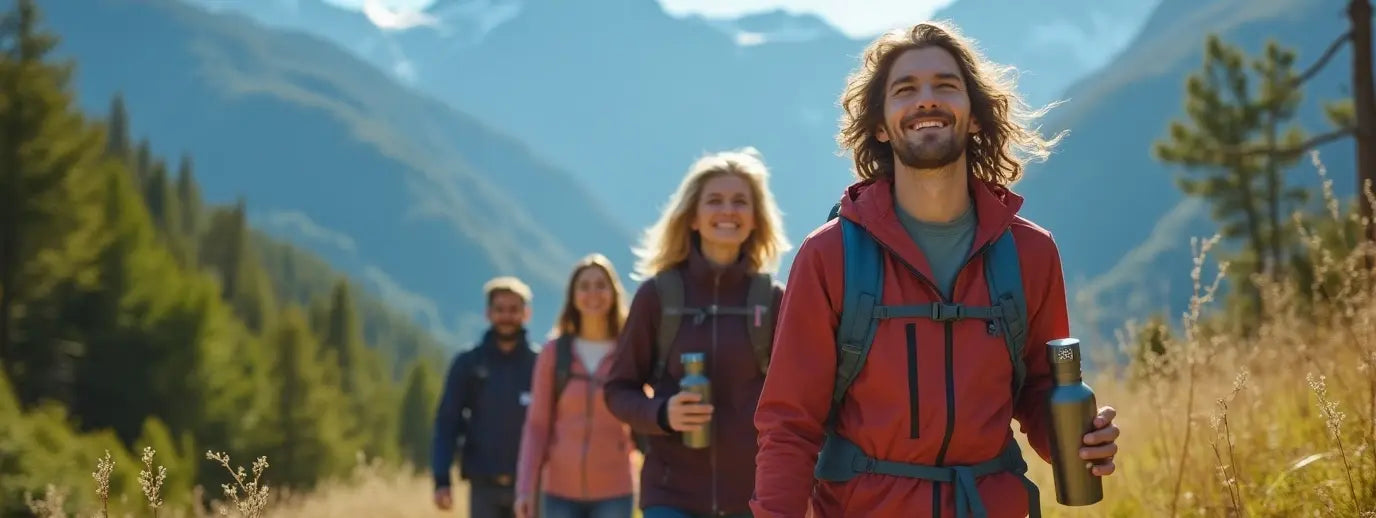
Hiking is an exciting activity that combines physical exercise, contact with nature, and moments of disconnection. If you're a beginner, this guide will help you prepare properly, from planning routes to basic equipment. Get ready to enjoy your first outdoor adventures safely and comfortably!
Ideal Hiking Routes for Beginners
The outdoors offers endless possibilities to stay active. These activities not only improve your physical condition but also allow you to explore new scenery and enjoy nature in a unique way.
Choosing an appropriate route is key to an enjoyable experience. Here are some of the most recommended in Spain:
- Camino del Agua (Salamanca): A short and accessible route with charming landscapes.
- Senda del Oso (Asturias): Ideal for beginners thanks to its flat terrain and spectacular views.
- Ruta de los Molinos (Madrid): Perfect for families or those seeking a leisurely walk.
- Ruta de los 7 Lagos (Madrid): An easy trail that surrounds beautiful lakes, ideal for enjoying a day outdoors.
- Sendero de los Acantilados (Cantabria): A coastal path that offers stunning views and is suitable for all levels.
- Camino de Santiago (Tierra de Melide, Galicia): An accessible and history-rich stage, perfect for those wanting to start hiking.
Tip: Use apps like Wikiloc to explore routes based on your level and preferences.
Basic Hiking Equipment
1. Comfortable and Functional Backpack
Choose a backpack with lumbar support and multiple compartments to organize your belongings.
- Inuitz Recommendation: The 60 L Technical Backpack keeps your snacks fresh and your back comfortable during long hikes.
2. Appropriate Footwear
Hiking boots with non-slip soles are essential to prevent slips and protect your feet on uneven terrain.
3. Hydration and Food Storage
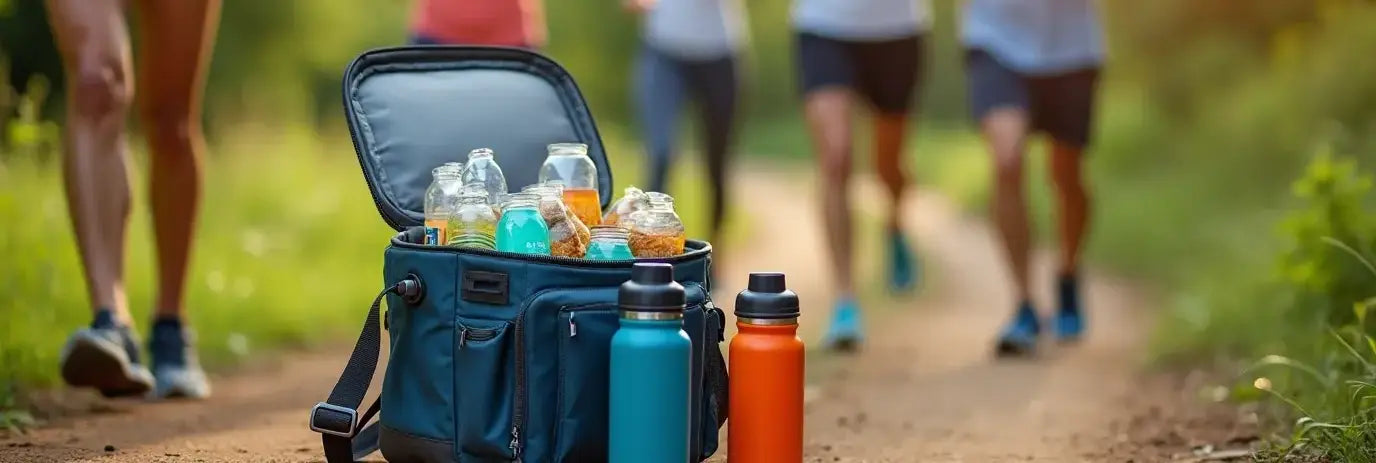
- Carry a reusable thermos to keep water cold or infusions hot.
- Pack energy foods like bars or nuts in reusable containers to minimize waste.
Tip: Opt for lightweight equipment to avoid carrying unnecessary weight.
Safety on the Trail
Safety is essential, especially if you're just starting out:
- Check the weather: Before you go, check the forecast to avoid unpleasant surprises.
- Carry a physical map: Even if you use GPS, a traditional map is useful if you lose signal.
- Wear visible clothing: Bright colors will make you easier to locate in an emergency.
- Basic first aid kit: Ideal for treating small wounds or blisters.
What to Bring for a Successful Hike
1. Energy Foods:
- Fresh or dried fruits.
- Oat bars with nuts.
- Salty snacks like whole-grain crackers.
2. Ideal Clothing:
- Base layer: Breathable to prevent excessive sweating.
- Mid-layer: Lightweight jacket to retain warmth.
- Outer layer: Waterproof to protect you from rain or wind.
3. Useful Accessories
- Hiking poles for improved stability.
- Headlamp if you plan to return late.
- Reusable trash bags to leave the place clean.
Benefits of Hiking for Your Well-being
- Improves cardiovascular health: Walking on varied terrain increases your heart rate, strengthening the heart and improving blood circulation. According to the Spanish Heart Foundation, activities like hiking reduce the risk of heart disease.
- Strengthens muscles and bones: Climbing slopes, overcoming obstacles, and walking long distances activate the muscles in your legs, glutes, back, and core. Additionally, regular exercise helps maintain bone density, preventing problems like osteoporosis.
- Increases stamina: Extended walks improve aerobic capacity and physical stamina, allowing you to handle greater efforts over time.
- Calorie burning: It's an ideal activity for those looking to manage their weight. A moderate walk of 1-2 hours can burn between 300 and 500 calories depending on the terrain.
Beyond physical exercise, hiking offers numerous benefits:
Mental and Emotional Benefits
- Stress reduction: Being in contact with nature lowers cortisol levels, the stress hormone. The sound of birds, running water, or simply silence has a calming effect on the nervous system.
- Stimulates creativity: A study by the American Psychological Association revealed that walking outdoors can increase creativity by up to 60%. If you're looking for inspiration, a nature walk is ideal.
- Fosters active meditation: Hiking allows you to disconnect from screens and daily noise, providing moments of reflection and calm.
- Improves mood: Physical exercise releases endorphins, known as "happiness hormones," which make you feel more positive and relaxed after each walk.
Plan Your Excursion in Advance
- Time: Choose routes you can complete in a day if you are a beginner.
- Rest stops: Identify safe areas to eat or hydrate.
- Company: It's always best to go with someone, especially if it's your first time.
Extra: Note public transport schedules if you don't plan to use a car.
Starting hiking is a fantastic decision to improve your well-being and reconnect with nature. With proper planning, ideal equipment, and a little motivation, your first hikes will be unforgettable experiences.
Ready for your next adventure? Explore our Inuitz store and get ready to walk with confidence and comfort.


Leave a comment
This site is protected by hCaptcha and the hCaptcha Privacy Policy and Terms of Service apply.